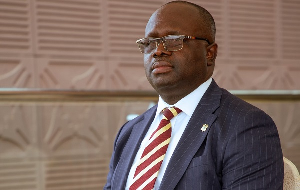
Angel Alcala was one of the most respected Filipino scientists and environmental advocates of his time. Known globally for his groundbreaking work in marine biology and biodiversity conservation, Angel C. Alcala dedicated his life to protecting coral reefs, marine sanctuaries, and coastal ecosystems in the Philippines. His research and policies helped shape modern marine conservation practices not only in Southeast Asia but also around the world.
Early Life and Background
Angel Chua Alcala was born on March 1, 1934, in the Philippines. He grew up in a coastal environment that exposed him early to marine life and natural ecosystems. This close connection with nature played a crucial role in shaping his interest in biology and environmental science.
From a young age, Alcala showed exceptional academic ability and curiosity about the natural world. His fascination with marine organisms, coral reefs, and coastal ecosystems would later define his life’s work.
Education and Academic Journey
Angel Alcala pursued higher education in biology, earning his bachelor’s degree in zoology from Silliman University, one of the Philippines’ leading academic institutions. He later completed his master’s degree and PhD in biology from Stanford University in the United States.
His advanced education equipped him with strong scientific research skills and international exposure, which he later applied to Philippine environmental challenges. Alcala returned to the Philippines determined to use science as a tool for national development and conservation.
Career as a Marine Biologist
Angel Alcala began his professional career as a professor and researcher at Silliman University. There, he conducted pioneering studies on amphibians, reptiles, and marine ecosystems. Over time, his focus shifted increasingly toward marine biodiversity and coral reef conservation.
One of his most important contributions was the establishment of marine protected areas (MPAs). Alcala demonstrated through scientific research that no-take marine reserves could significantly restore fish populations and coral health. His work at Apo Island became a global model for community-based marine conservation.
Major Contributions to Marine Conservation
Angel Alcala is widely regarded as the father of marine reserves in the Philippines. His research proved that properly managed marine sanctuaries benefit both biodiversity and local fishing communities.
Key contributions include:
- Establishment of Apo Island Marine Reserve
- Promotion of community-based coastal resource management
- Scientific validation of marine protected areas
- Conservation of coral reefs and fisheries sustainability
These initiatives transformed national marine policies and inspired similar programs worldwide.
Role in Government and Public Service
Beyond academia, Angel Alcala also served in various government roles. He was appointed as Secretary of the Department of Environment and Natural Resources (DENR) of the Philippines. In this position, he pushed for science-based environmental policies, biodiversity protection, and sustainable use of natural resources.
He also served as Chair of the Commission on Higher Education (CHED), where he advocated for academic excellence and research-driven education in the country.
Awards and Recognition
Angel Alcala received numerous awards for his scientific and environmental contributions, including:
- Ramon Magsaysay Award for Public Service
- National Scientist of the Philippines (2014)
- UNEP Global 500 Roll of Honour
- Outstanding contributions to marine science awards
These honors reflect his immense impact on science, education, and environmental protection.
Publications and Scientific Work
Throughout his career, Alcala authored and co-authored over 140 scientific papers and books. His research covered herpetology, marine ecology, coral reef systems, and biodiversity conservation. His work remains widely cited and continues to guide environmental research and policymaking.
Personal Life
Despite his international recognition, Angel Alcala lived a modest life devoted to science, teaching, and environmental advocacy. He mentored generations of Filipino scientists and inspired students to pursue careers in biology and conservation.
Death and Legacy
Angel Alcala passed away on November 1, 2023, leaving behind a powerful legacy of environmental stewardship. His work continues through marine reserves, academic institutions, and policies that protect the Philippines’ rich biodiversity.
His legacy is a testament to how science, when combined with community involvement and government support, can lead to sustainable environmental solutions.
FAQs
Q1: Who was Angel Alcala?
Angel Alcala was a Filipino marine biologist, educator, and environmental leader known for pioneering marine conservation in the Philippines.
Q2: Why is Angel Alcala famous?
He is famous for establishing marine protected areas and advancing coral reef conservation.
Q3: What awards did Angel Alcala receive?
He received the Ramon Magsaysay Award and was named National Scientist of the Philippines.
Q4: What is Angel Alcala’s greatest contribution?
His greatest contribution is the development of community-based marine reserves.
Q5: When did Angel Alcala die?
He passed away on November 1, 2023.
Conclusion
Angel Alcala’s life stands as a powerful example of how dedication, science, and leadership can transform environmental conservation. His work reshaped marine protection in the Philippines and influenced global conservation strategies. Even after his passing, Angel Alcala’s vision continues to protect oceans, empower communities, and inspire future generations of scientists.