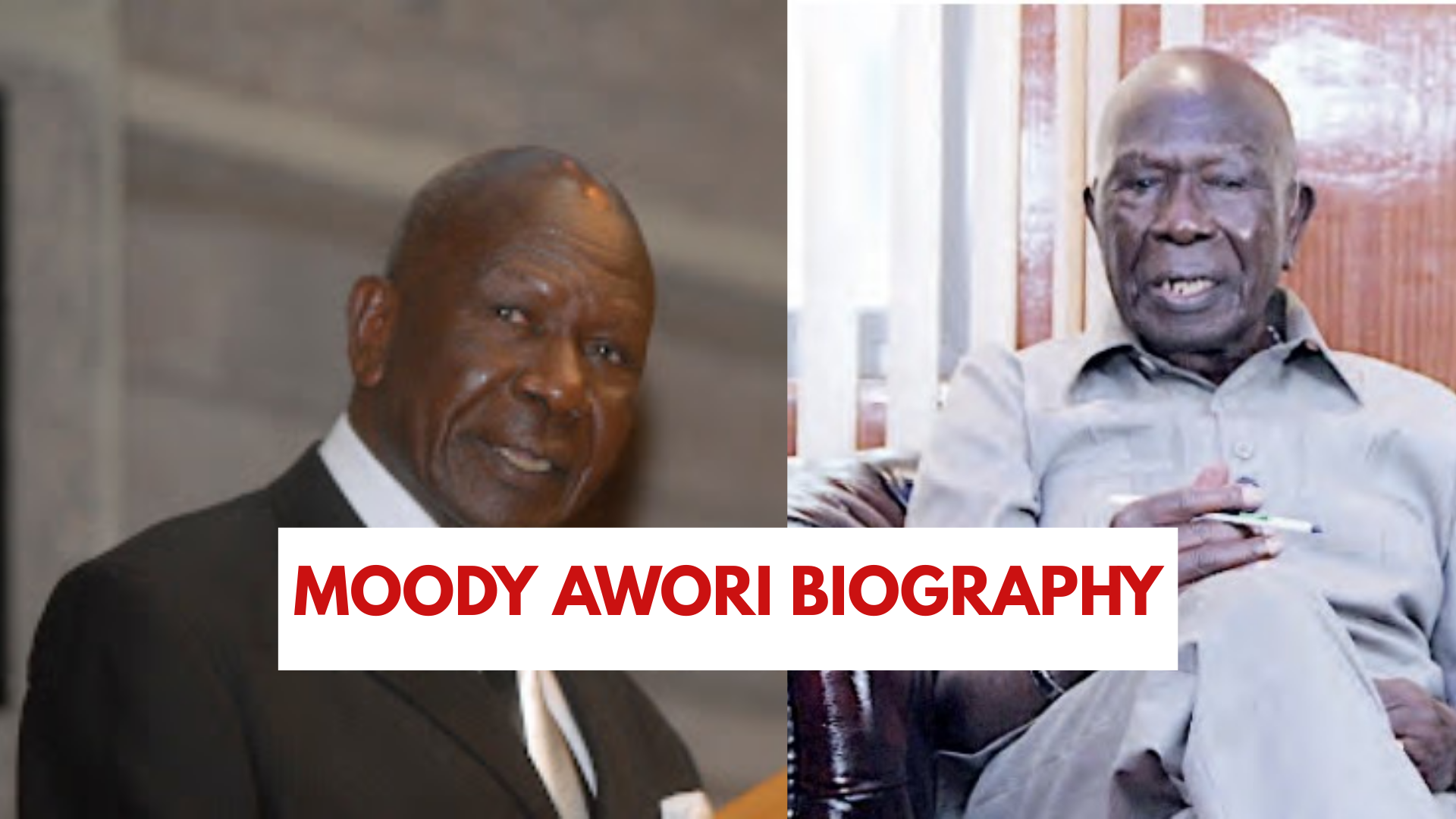
Moody Arthur Awori, affectionately known as “Uncle Moody,” stands as one of Kenya’s most respected political figures. Born on 5 December 1927 in Butere, Busia County, Kenya, Awori’s life story is a testament to resilience, service, and dedication to national development. He served as the ninth Vice President of Kenya from 25 September 2003 to 9 January 2008, playing a pivotal role in Kenya’s political landscape during a transformative period in the country’s history.
This comprehensive biography explores Moody Awori’s early years, education, political rise, personal life, challenges, achievements, and the legacy he has left behind.
Early Life
Moody Arthur Awori was born into a large and influential family in Butere, located in the former Western Province of Kenya. His father was Canon Jeremiah Awori and his mother was Mariamu Awori. Growing up in a family of sixteen children, Awori’s upbringing was rooted in strong Christian values and a deeply ingrained sense of community service.
Among his siblings were prominent figures in various fields. For instance, his brother W.W.W. Awori served on the Legislative Council in the 1950s, contributing to Kenya’s pre-independence political movements, while another brother, Aggrey Awori, became a noted politician in neighbouring Uganda. Multiple members of his extended family pursued careers in medicine, education, and business, reflecting a family tradition of excellence and leadership.
Education
Awori’s academic journey began at Mang’u High School, followed by further secondary education at Kakamega School. His pursuit of higher education led him to Makerere University in Uganda, one of East Africa’s premier institutions. The influence of quality education equipped him with the tools to engage critically in public life and leadership.
Before fully entering politics, Awori was involved in journalism and community advocacy. His early career also included active roles in international organisations and civil society groups, where he championed causes such as disability rights and inclusion. These experiences laid the groundwork for his later political career.
Political Journey
Rise to Public Office
Awori’s formal entry into politics came through his election as Member of Parliament for Funyula Constituency in Busia District. Over successive terms, he became a respected voice for his constituents and a prominent figure within the Kenya African National Union (KANU), the ruling party for most of Kenya’s post-independence era.
Vice Presidency
In the historic 2002 general elections, Awori joined the National Rainbow Coalition (NARC), a political alliance that successfully ended decades of one-party rule. This alliance brought Mwai Kibaki to the presidency. Following the death of Vice President Michael Kijana Wamalwa in August 2003, Kibaki appointed Moody Awori as Vice President on 25 September 2003. He also held the portfolio of Minister of Home Affairs concurrently.
During his tenure as Vice President, Awori advocated for reforms in public administration, prison systems, and community development, often emphasising dialogue and unity among Kenya’s diverse ethnic groups.
Controversies and Challenges
No political career is without its challenges. Awori’s tenure was marked by scrutiny over the Anglo Leasing scandal, a controversial government procurement scandal that rocked Kenya in the mid-2000s. While his name appeared in reports relating to certain aspects of the matter, supporters emphasise that no conclusive legal action proved personal wrongdoing against him. However, the issue contributed to political criticism and calls for accountability during that period.
Personal Life
Beyond his public roles, Moody Awori is a dedicated family man. He is married to Rose Awori, and together they have five children. While he has maintained privacy around his family life, his personal values of faith, service, and humility have consistently shaped his public persona.
A devoted Roman Catholic, Awori’s faith has been a guiding force throughout his long life, influencing his approach to leadership and community engagement.
Legacy and Impact
Advocacy and Social Contributions
One of Awori’s most enduring legacies is his work and advocacy for the physically disabled. As the founder and chairman of the Association for the Physically Disabled of Kenya (APDK), he championed the cause of inclusion and social justice for thousands of vulnerable Kenyans.
His role in promoting local development is also reflected in his support for initiatives like the National Government Constituencies Development Fund (NG-CDF), which channels resources to local constituencies for schools, healthcare facilities, and other community projects.
Recognition and Awards
In recognition of his service, Awori has received several honours, including the Elder of the Golden Heart (EGH) and Elder of the Burning Spear (EBS) — two of Kenya’s highest state awards. He also earned an honorary Doctor of Laws degree from Southern New Hampshire University for his contributions to humanitarian work.
Frequently Asked Questions (FAQs)
1. Who is Moody Awori?
Moody Arthur Awori is a Kenyan politician who served as the ninth Vice President of Kenya from 2003 to 2008. He is widely known for his leadership in politics and advocacy for disability rights.
2. When and where was Moody Awori born?
He was born on 5 December 1927 in Butere, Kenya.
3. What roles did Awori serve in Kenyan government?
Besides Vice President, Awori also served as Minister of Home Affairs and was an influential Member of Parliament for Funyula Constituency.
4. Why is he called “Uncle Moody”?
The nickname reflects his approachable personality and his reputation for wisdom and warmth in public service.
5. What is the Anglo Leasing scandal?
A major corruption controversy in Kenya during the mid-2000s involving government contracts. Awori faced political criticism due to associations with the period, though his personal role was debated.
6. Is Moody Awori still alive?
As of 2025, he is alive and continues to be celebrated for his contributions to Kenya’s political life and social causes.
7. What book did Moody Awori write?
He authored Riding on a Tiger, an autobiography detailing his life and political journey
Conclusion
Moody Awori’s life is a remarkable blend of service, leadership, and unwavering commitment to the people of Kenya. From humble beginnings in Busia to the highest offices of the land, his journey reflects the power of resilience and steady dedication.
As he continues to inspire generations with his wisdom and integrity, Awori’s legacy will remain deeply embedded in Kenya’s socio-political fabric — a reminder that leadership rooted in compassion and humility can stand the test of time.